

Gulu, Uganda — August 7, 2025
Gulu University made a historic stride yesterday as it officially launched the TAGDev 2.0 Program and inaugurated the Agri-Food Systems Research and Entrepreneurship Centre (ASEC), marking a bold new chapter in youth transformation, community engagement, and higher education reform in Uganda.
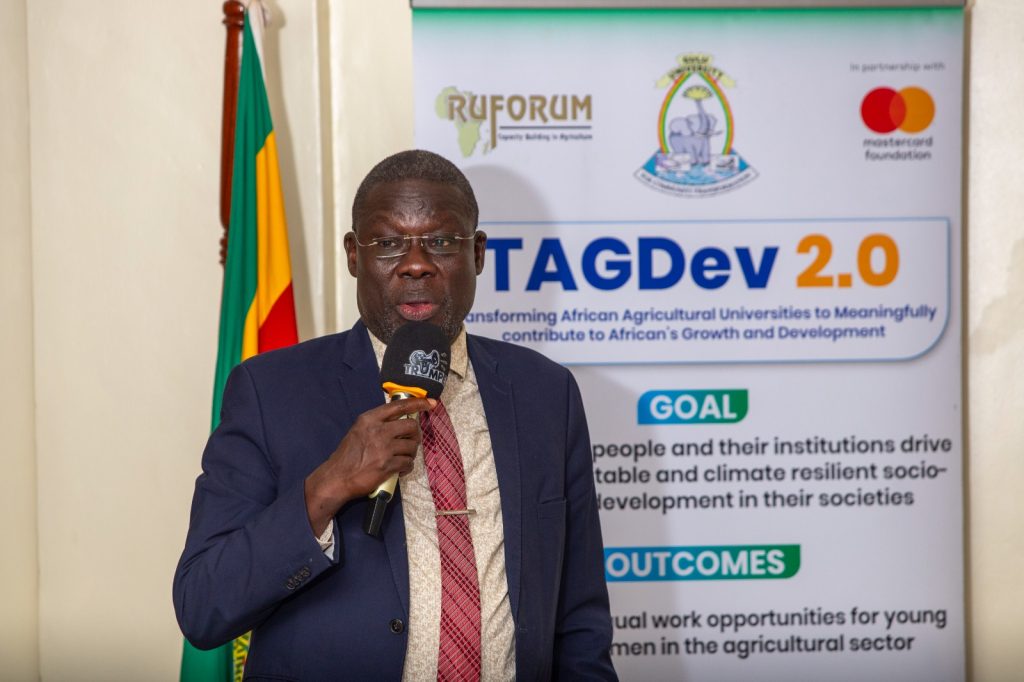
Presided over by the Vice Chancellor of Gulu University, Prof. George Openjuru, the high-profile launch brought together over 120 participants from more than 20 partner institutions across Teso, Lango, Acholi and West Nile sub-regions, showing strong multi-stakeholder ownership and commitment to driving inclusive and sustainable development. In his keynote address, the Vice Chancellor commended the tremendous growth of the TAGDev initiative and reaffirmed Gulu University’s commitment to championing community transformation through practical skills, innovation, entrepreneurship and research.
The event was anchored by a powerful presentation from the TAGDev 2.0 Program Coordinator, who articulated the program’s evolution from TAGDev 101 to TAGDev 2.0, emphasizing its expanded scope, ambition, and strategic direction.
“TAGDev 2.0 is not just a continuation, it’s a scaling-up of impact. We’re transitioning from piloting to institutionalization and expansion across African universities and TVETs. The future of skills development and agri-food systems in Uganda is being shaped right here,” the Program Coordinator declared.
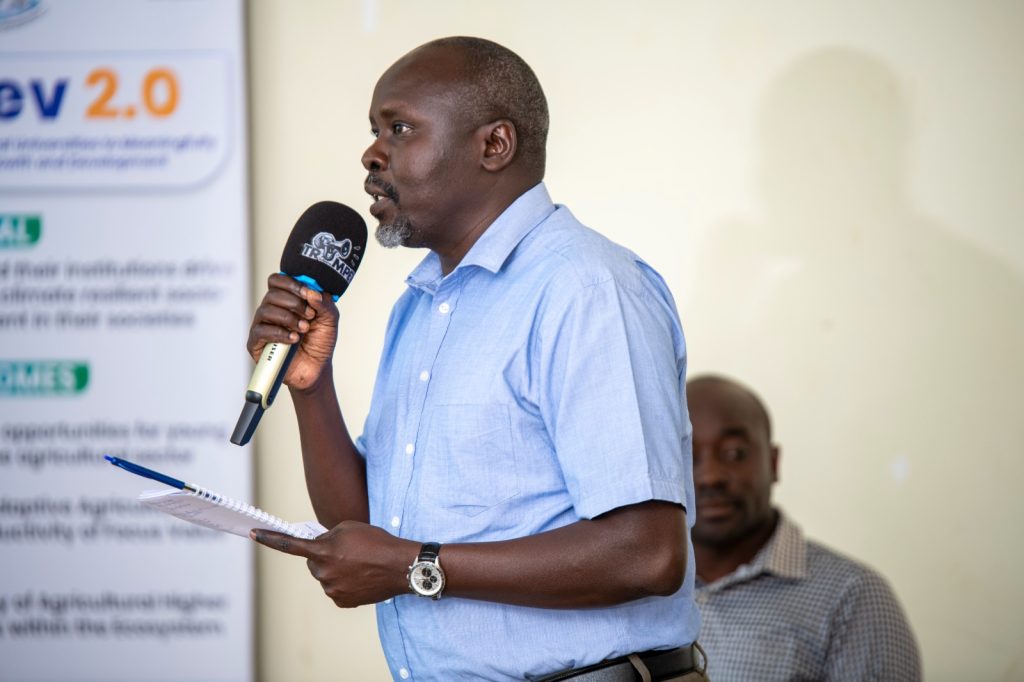
A Powerful Assembly of Partners and Stakeholders
The launch saw vibrant representation from core university partners—Muni University and Busitema University—with deans of agriculture and ASEC coordinators in attendance. The TVET institutions formed a strong delegation, including:
- National Instructors’ College Abilonino
- Northern Uganda Youth Development Centre – Labora
- Adraa Agriculture College
- Bobi Community Polytechnic
- Innovative Institute of Agriculture, Business and Capacity Building – Arua
- Serere Institute of Agriculture, Business and Technology
- Kaberamaido Technical Institute
These institutions are key players in building a robust agri-skills ecosystem across Northern and Eastern Uganda.

Representatives from key national and international stakeholders—including the Office of the Prime Minister (OPM), Operation Wealth Creation (OWC), UNHCR, Uganda National Bureau of Standards (UNBS), local government agencies, and numerous civil society actors—graced the event, alongside youth-led, women-led, and differently-abled persons’ groups. A number of District stakeholders such as productions and marketing officers, Commercial officers, community development officers and agricultural officers from Adjumani, Madi-Okollo, Nwoya, Amuru, Gulu, Oyam, Kole and Soroti districts.
University-Wide Support and Interdisciplinary Engagement
The program launch attracted strategic support from across Gulu University’s internal units and leadership, with attendance from the Directorate of Planning and Development, Directorate of Research and Graduate Training, Directorate of ICT, Institute of Peace and Strategic Studies, the Legal Office, and Deans of all faculties—affirming cross-disciplinary alignment and institutional buy-in.
Celebrating Innovation through Exhibition
One of the day’s highlights was the innovation exhibition showcasing the tangible outcomes of TAGDev interventions. Showcases included:
- Nutritious porridge flour made by a refugee youth entrepreneur from Adjumani
- Improved rice, soybean, and groundnut seed varieties developed by a local seed business group in Gulu
- Indigenous Microorganism (IMO) products for piggery—developed by a community farmer who now trains hundreds of peers
These powerful examples underscore TAGDev’s role in catalyzing enterprise, food security, and community empowerment.
A Resounding Commitment to the Future
The launch concluded on a high note, with partners reaffirming their allegiance and support to ensure TAGDev 2.0 delivers on its transformative promise. Stakeholders committed to deepening collaboration, expanding outreach, and scaling best practices across the region.
The momentum is strong. The partnerships are solid. The vision is bold. TAGDev 2.0 is officially underway.
